

ABS Brakes: Working, Safety Importance & Latest Module Price in Pakistan (2026 Guide)

Modern vehicles rely on technology that keeps you safe even when roads are unpredictable. One of the most essential safety innovations is the Anti-lock Braking System (ABS), a mechanism that helps you keep steering control during sudden or slippery stops.
Quick answer
What is an ABS Brake System and how much does it cost in Pakistan?
An ABS Brake System stops wheels locking during hard braking so you keep steering control. In Pakistan, replacement ABS modules for Toyota hybrids start from Rs 85,000, checked in October 2026, with warranty from 3 months to 1 year and fitting available in Islamabad.
If your dashboard shows the ABS light or braking feels uneven, it is time to understand how the system works and when to service it. This 2026 guide explains everything in simple terms, including current module prices in Pakistan.
ABS Control Modules Available in Pakistan
If a diagnostic scan confirms your ABS module has failed, here are the units we supply for the most common Toyota and Lexus hybrids on Pakistani roads. Every module is tested before dispatch, with fitting and diagnostics available at our I-9/3 Islamabad workshop.
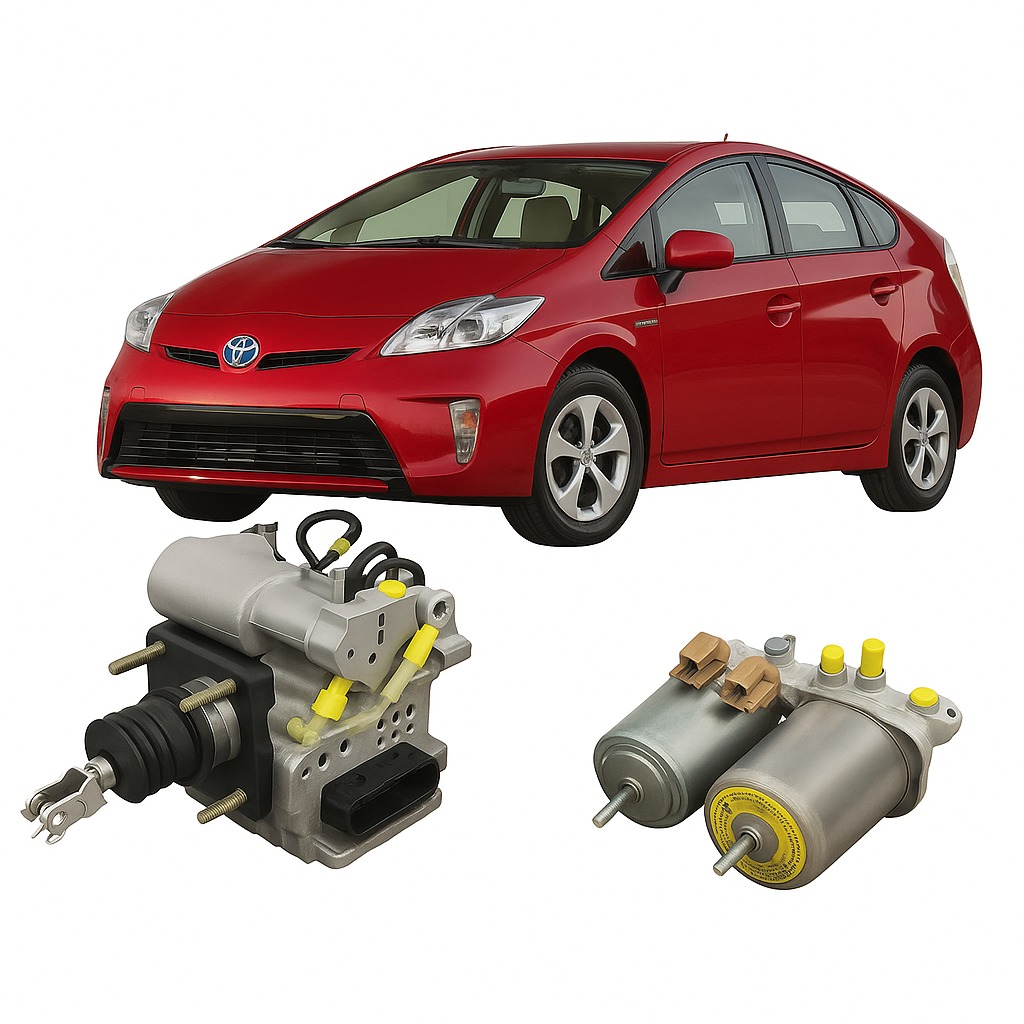
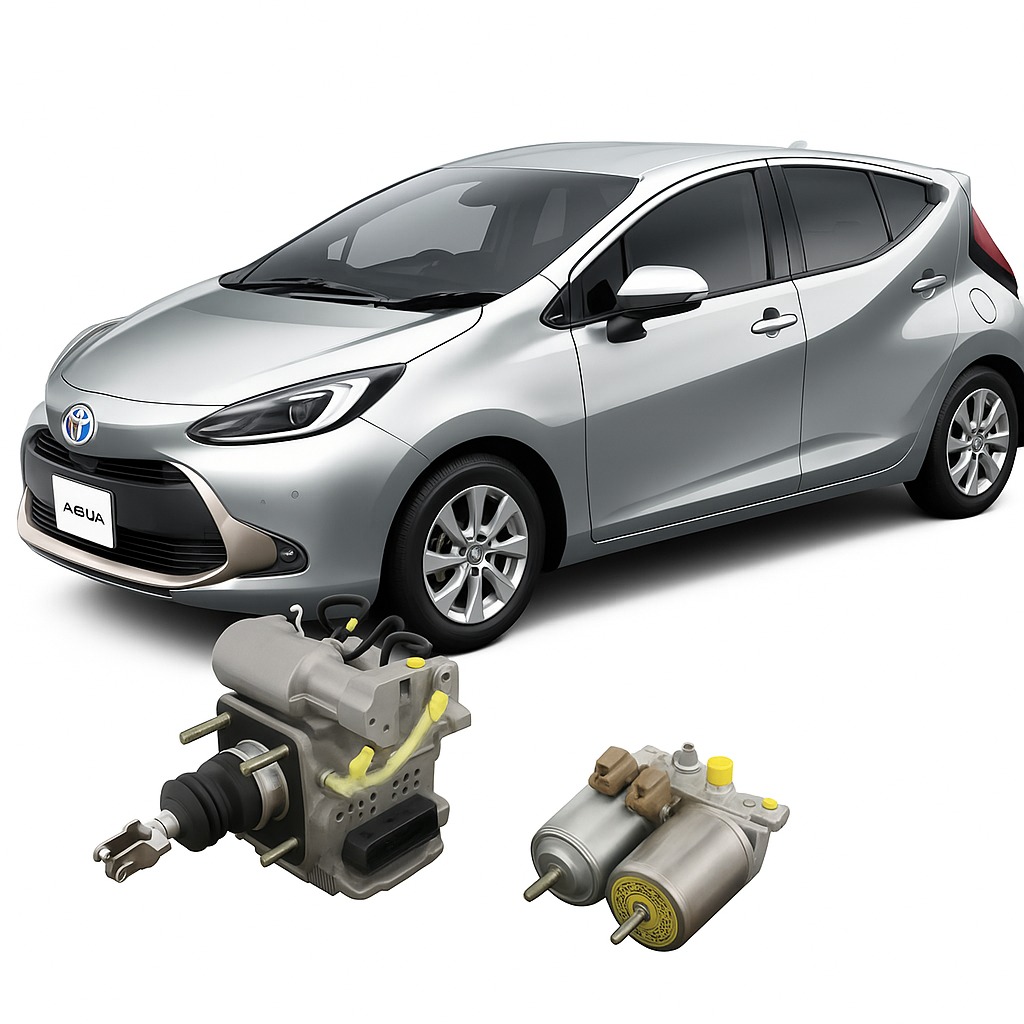
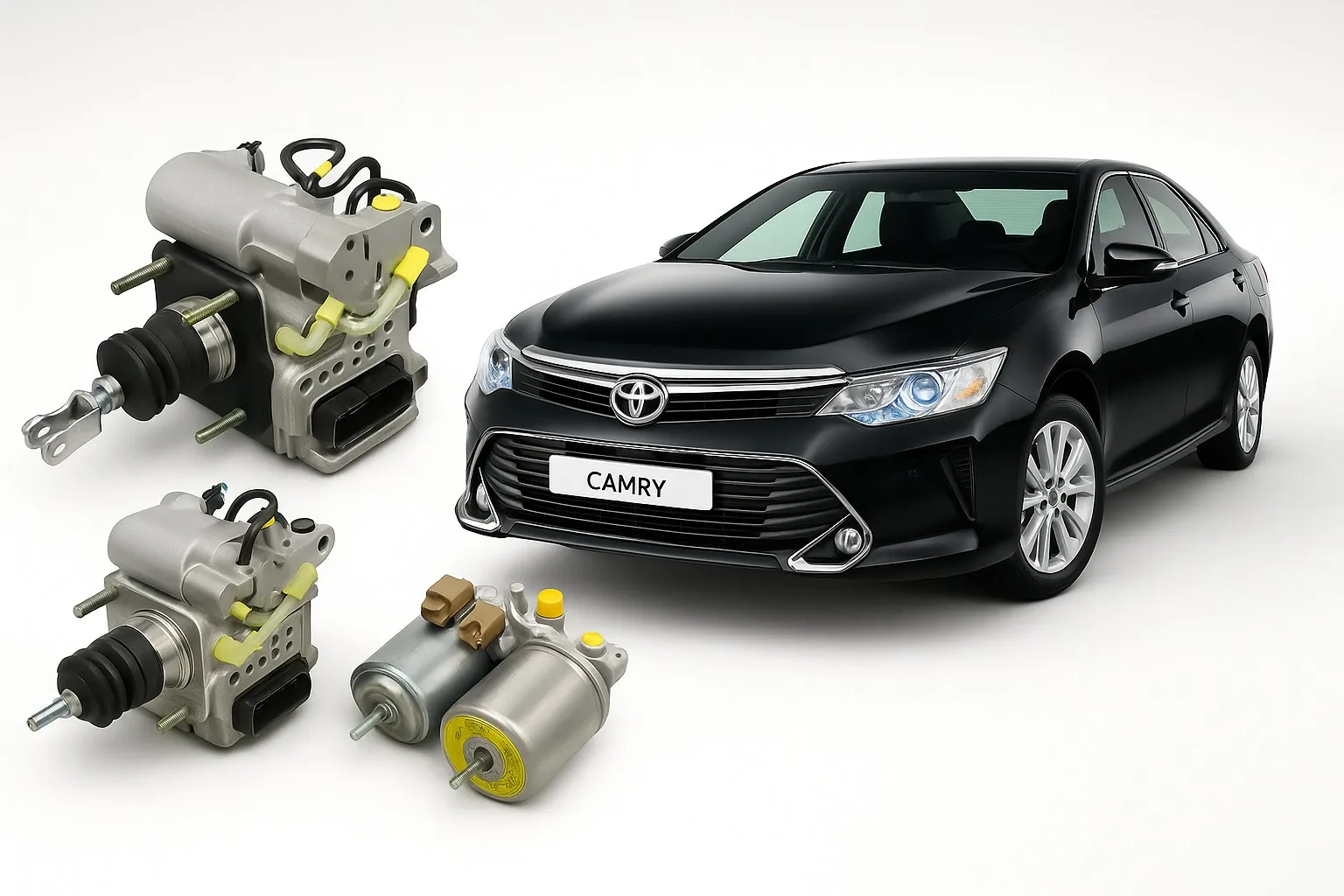
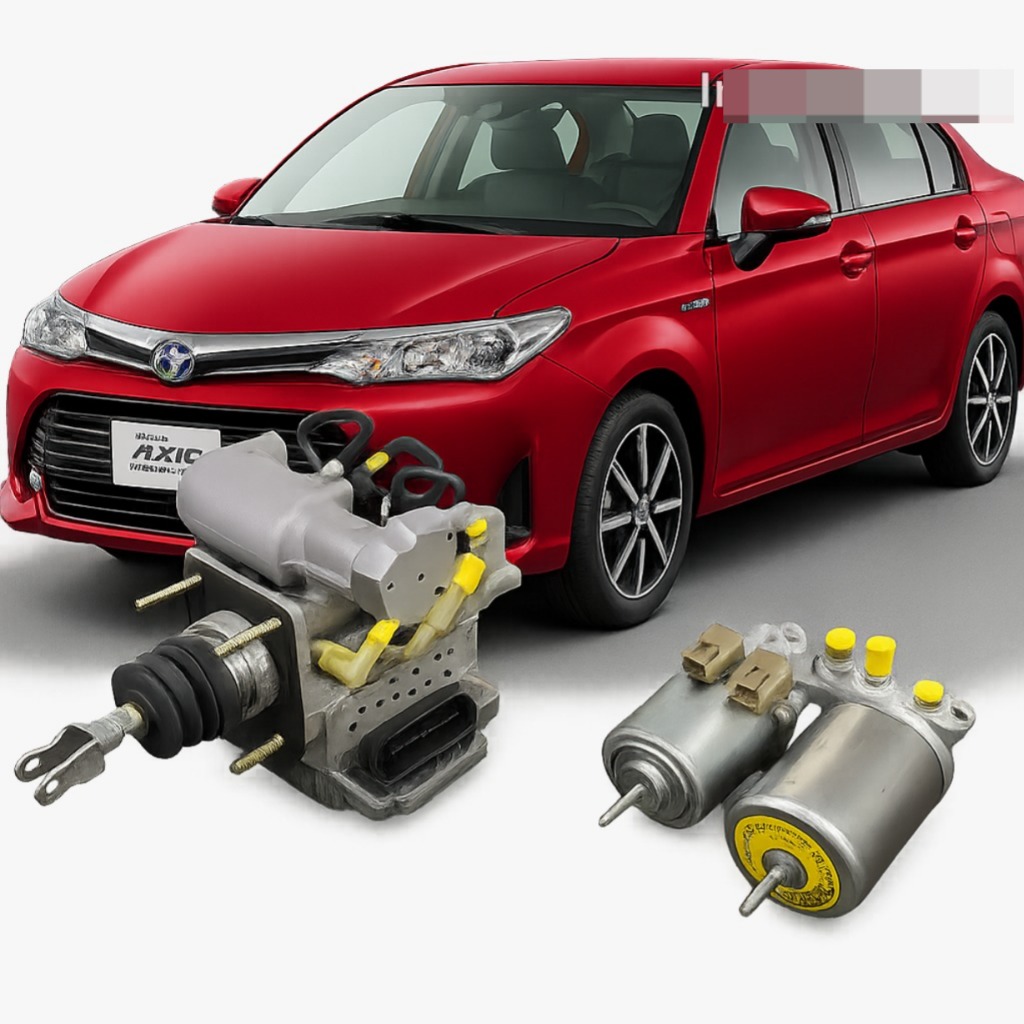
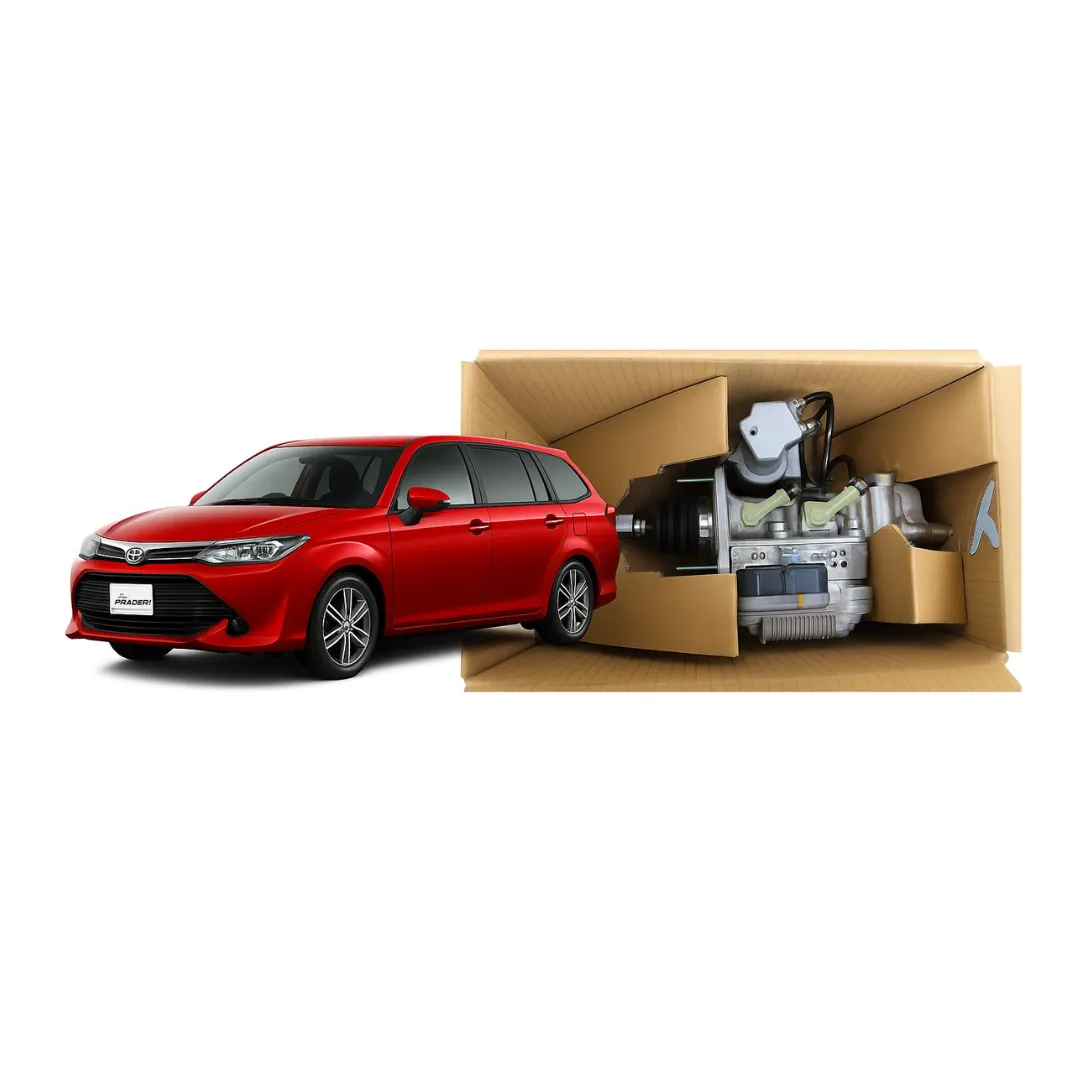
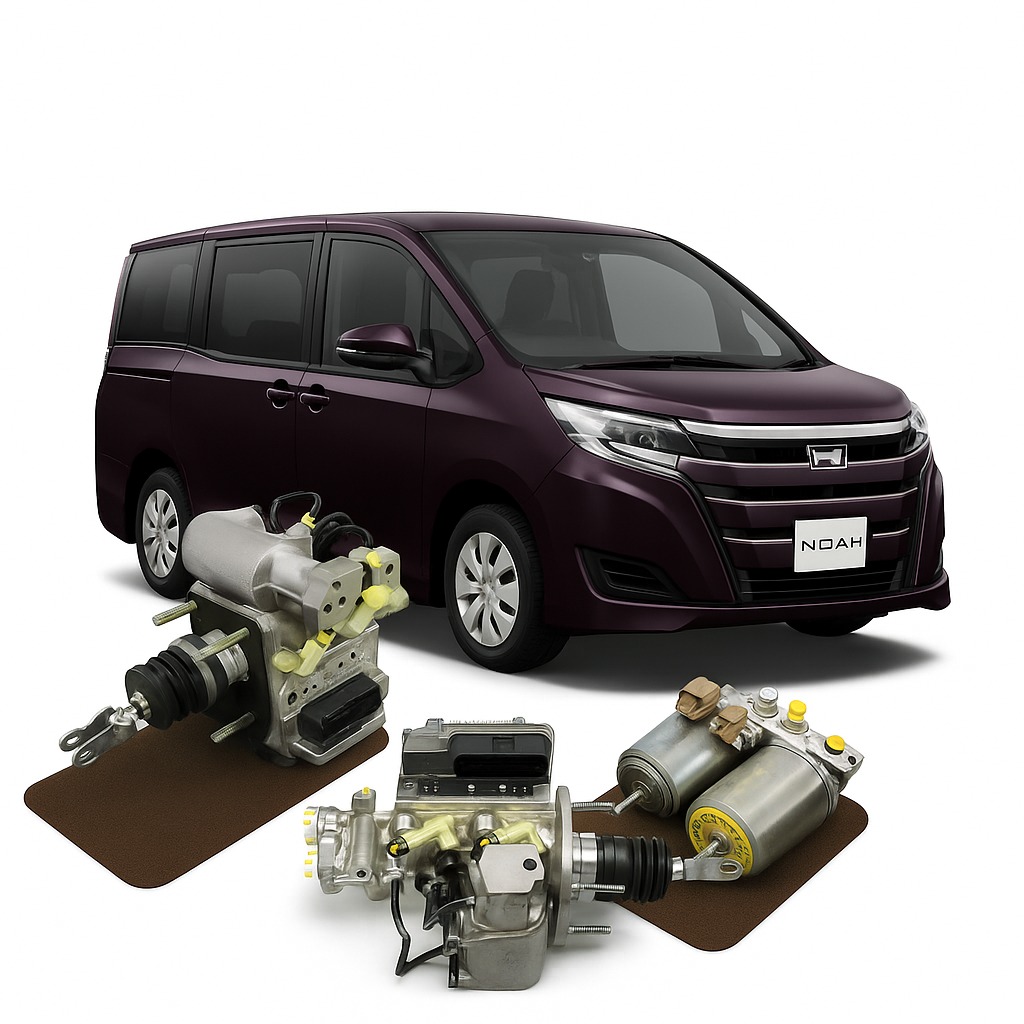
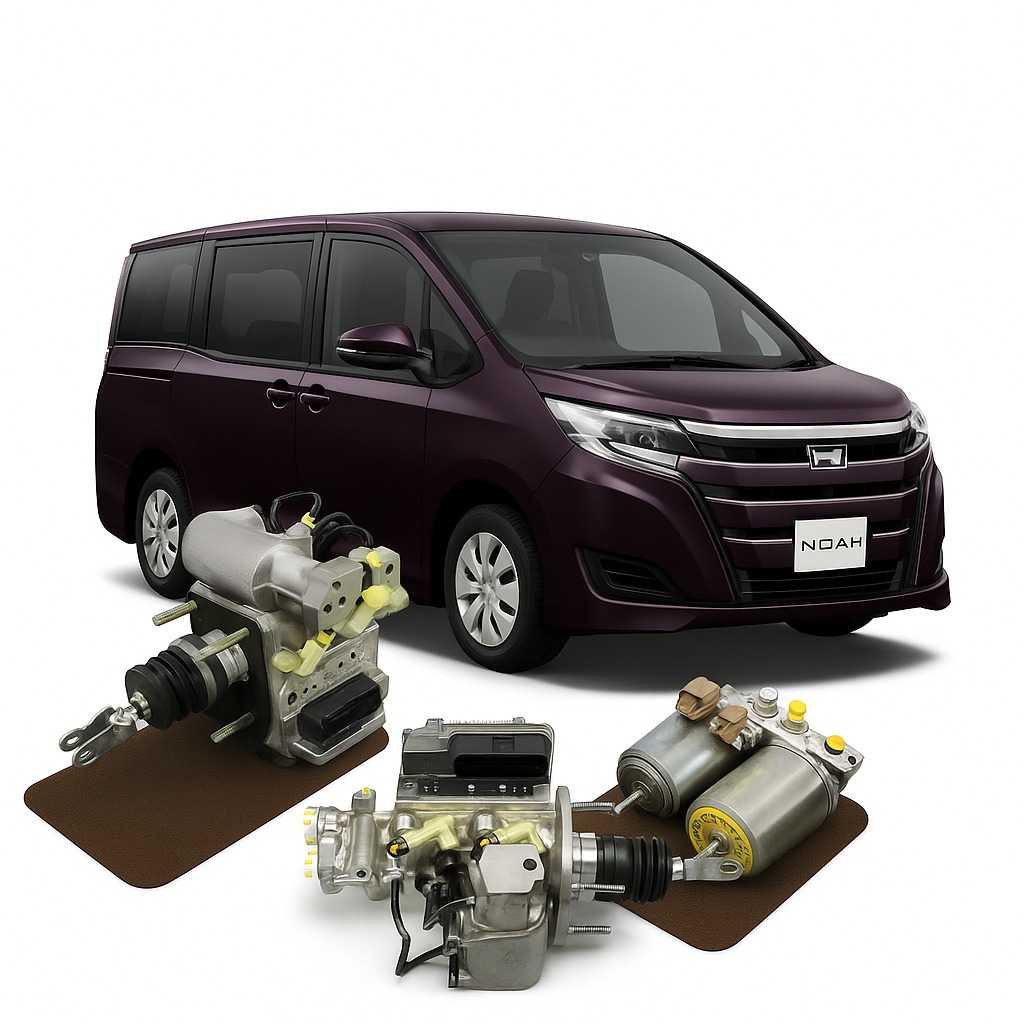
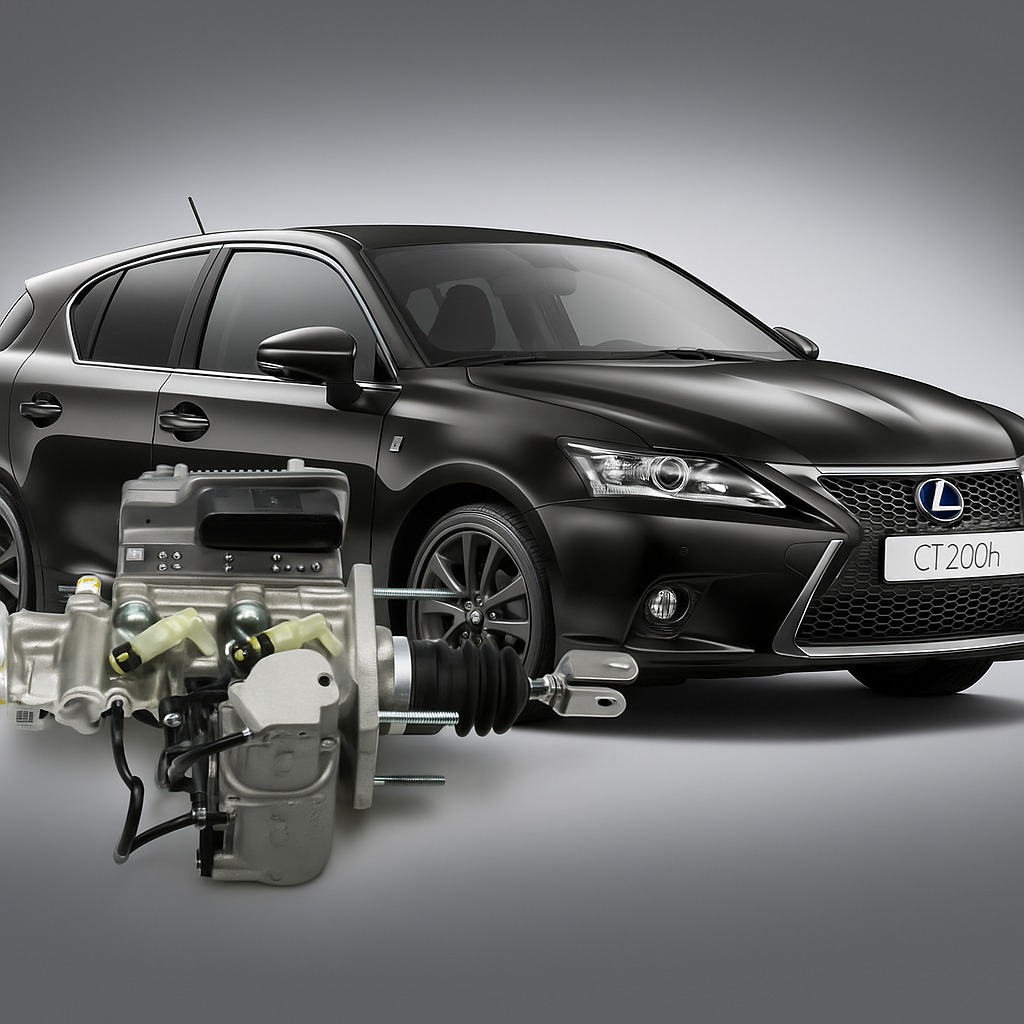
Not sure which module fits your car? Message us your model and year on WhatsApp and we will confirm the correct part number before you buy.
What Is the ABS Brake System?
ABS stands for Anti-lock Braking System. It stops your wheels from locking up when you brake hard.
When you press the brake pedal suddenly, sensors detect that a wheel is about to stop spinning. The ABS controller instantly releases and reapplies brake pressure several times per second. This lets the tyres keep their grip so you can still steer while stopping.
In simple terms, ABS does not always shorten your stopping distance. What it does is keep your car controllable. That control is what prevents collisions on wet, dusty, or uneven Pakistani roads.
How ABS Brakes Work, Step by Step
- Wheel speed sensors monitor how fast each wheel is turning
- The ABS control module compares the readings, and if one wheel slows too fast it assumes a skid
- The hydraulic control unit rapidly adjusts brake pressure through solenoid valves
- This pump and release cycle happens several times per second, far faster than any human could react
- Braking stays strong while the wheels keep turning just enough for you to steer
During an emergency stop on the Islamabad Expressway or in heavy city traffic, this split-second work keeps your car pointing straight instead of sliding sideways.
Key Components of the ABS System
| Component | Function | Common Issues |
|---|---|---|
| Wheel Speed Sensor | Detects wheel rotation | Dirt, rust, broken wire |
| Tone Ring | Magnetised ring generating pulses | Cracks or corrosion |
| Hydraulic Modulator | Controls brake fluid pressure | Internal leakage |
| ABS Module (ECU) | Processes signals and activates valves | Burnt circuits, software faults |
| Fuses and Relays | Power distribution | Blown fuse, weak relay |
If any of these fail, the ABS warning light appears. A proper scan with OEM tools such as Techstream, HDS, or Consult III identifies the exact fault rather than guessing.
Common ABS Problems and What They Cost
| Symptom | Likely Cause | Recommended Fix | Typical Cost (PKR) |
|---|---|---|---|
| ABS light on | Faulty sensor or low voltage | Diagnostic scan and sensor check | Starting from 3,000 |
| Pedal vibration when stopping | Normal ABS operation | None, system is working correctly | No cost |
| Brakes locking up | Sensor signal loss or actuator fault | Replace sensor or actuator | Starting from 10,000 |
| No ABS response at all | Module failure or hydraulic leak | Replace ABS module and bleed system | Starting from 85,000 |
| Warning light after rain | Moisture in sensor connectors | Clean and reseat connectors | Starting from 2,000 |
Never ignore these symptoms. You can technically drive with the ABS light on, but your stability and traction control may be switched off, which matters most on wet Islamabad roads.
Understanding ABS Fault Codes
When your ABS light comes on, a scan returns a fault code that points to the cause. The most common one on Toyota and Lexus hybrids is C1391, which signals a pressure leak in the brake accumulator.
We have detailed guides on this code:
- Decoding DTC C1391 in Toyota covers causes, fixes, and prevention
- Fixing C1391 on Camry, Highlander, and Lexus covers model-specific details
- C1391 abnormal leak in accumulator explains the technical side
- Toyota hybrid problem codes covers other common faults
Whatever the code, the first step is always a proper computer diagnostic scan so you fix the real problem instead of replacing parts by guesswork.
ABS in Drum Brakes
While disc brakes dominate modern cars, many compact models such as the Toyota Vitz and Corolla Axio still use drum brakes on the rear wheels.
ABS works the same way in drum brakes, but the sensor and tone wheel sit inside the drum assembly instead of on an exposed rotor. Because drums trap dust and moisture, rear ABS sensors often fail first. Regular cleaning and correct seal fitting help you avoid costly sensor replacements.
ABS and Traction Control
ABS is the foundation for other safety systems such as Traction Control (TCS) and Electronic Stability Program (ESP).
When a wheel slips under acceleration, these systems reduce engine power or apply braking to restore grip. Because they depend on ABS sensor data, a failed ABS module can disable both traction and stability control at the same time. That is why one fault often turns on several warning lights.
ABS in Hybrid and Electric Vehicles
Hybrids such as the Toyota Prius, Aqua, and Honda Fit use regenerative braking alongside ABS. When the car switches from recovering energy to normal friction braking, the ABS controller manages that handover smoothly.
If the ABS fails on a hybrid, you may notice jerky stops or reduced fuel savings because regeneration is less effective. Hybrid diagnostics need to check both the ABS and the hybrid control unit together, which is why general workshops often miss the real cause.
How to Prevent ABS Failure
- Keep wheel hubs clean. Mud and metal filings disrupt sensor readings
- Maintain battery health. Low voltage causes false ABS faults
- Flush brake fluid every two years. Old fluid absorbs moisture and damages valves
- Scan after suspension work. A dislodged sensor wire can trigger warnings
- Test drive after any repair. Confirm the ABS light goes off and readings are correct
A little preventive attention costs far less than replacing a full module.
Which ABS module fits my Toyota hybrid?
Match the module to your exact model code, not just the model name. A Prius ZVW30 module will not fit a ZVW40, even though both are Prius.
Here is what we stock and the models each unit covers:
| Vehicle | Model Code | Year Range | Price From |
|---|---|---|---|
| Toyota Prius | ZVW30, ZVW40, ZVW41 | 2009–2015 | Rs 85,000 |
| Toyota Aqua | NHP10 | 2012–2021 | Rs 85,000 |
| Toyota Corolla Axio | NKE165 | 2013–2021 | Rs 85,000 |
| Toyota Corolla Fielder | NKE165 | 2013–2021 | Rs 85,000 |
| Toyota Noah | ZWR80 | 2014–2022 | Rs 85,000 |
| Toyota Voxy | ZWR80 | 2014–2022 | Rs 85,000 |
If your car is not listed, send your model and year on WhatsApp. We confirm the correct part number before you pay. You can also browse the full ABS Brakes category.
What should I check before buying an ABS module?
Do not buy a module until a diagnostic scan confirms the module is the faulty part. Sensors, wiring and low battery voltage cause most ABS lights, and those fixes cost far less.
Before ordering, confirm these points:
- Fault code: A scan with Techstream, HDS or Consult III shows whether the module, a sensor or the accumulator is at fault. C1391, for example, points to an accumulator pressure leak, not always the module itself.
- Model code: Check the chassis plate or registration book. ZVW30 and ZVW40 Prius modules are not interchangeable.
- Warranty: Our ABS modules carry 3 months to 1 year of warranty coverage. Keep your invoice.
- Installation: Fitting and diagnostics are available at our I-9/3 Islamabad workshop. The system must be bled properly after replacement.
- Delivery: Nationwide delivery across Pakistan. Islamabad and Rawalpindi usually get same-day or next-day delivery; major cities 2-3 business days; other locations 3-5 business days.
Every module is tested before dispatch. The accumulator pressure sensor must hold 3.75V to 3.2V for 20 minutes, or we do not ship it.
Frequently Asked Questions
What does ABS mean in cars?
ABS stands for Anti-lock Braking System. It stops your wheels from locking during hard braking so you keep steering control.
Can I drive with the ABS light on?
Your normal brakes still work, but emergency safety features like traction control are disabled. Get a diagnostic scan as soon as you can.
How much does an ABS module cost in Pakistan?
Our tested ABS control modules start from Rs 85,000 depending on your model. Message us with your car model and year for an exact quote.
Is ABS available in drum brakes?
Yes. Many small cars use rear drum brakes fitted with internal ABS sensors and tone rings.
How do I know if my ABS module has failed?
Common signs are the ABS light staying on, no ABS response during hard braking, or multiple warning lights together. A diagnostic scan confirms whether the fault is the module, a sensor, or something else.
Do you install the module for me?
Yes. We fit and program ABS modules at our I-9/3 Islamabad workshop, and we deliver nationwide for customers outside the city.
What does ABS stand for in a car?
ABS stands for Anti-lock Braking System. It uses wheel speed sensors and a hydraulic control unit to release and reapply brake pressure several times per second, stopping the wheels from locking. This keeps you able to steer during hard braking on wet, dusty or uneven roads. It does not always shorten stopping distance, but it keeps the car controllable.
Is ABS available in bikes in Pakistan, and what does it cost?
Some bikes sold in Pakistan now come with ABS, and the price depends on the model and whether it is factory-fitted or added later. We do not supply or fit bike ABS kits. Our ABS work covers hybrid cars, where we supply tested modules and carry out diagnostics and fitting at our Islamabad workshop.
Final Thoughts
The ABS brake system is more than an electronic add-on. It is a safety layer that every modern vehicle depends on, and it is the foundation for traction and stability control too.
Key points to remember:
- ABS keeps your car steerable during hard or slippery stops
- The ABS light means the system is disabled, so get it scanned
- C1391 is the most common fault code on Toyota and Lexus hybrids
- Tested ABS modules start from Rs 85,000 with fitting available
- Clean hubs and regular brake fluid changes prevent most failures
If your car shows an ABS light or feels unstable under braking, book a diagnostic before it becomes a safety risk. Browse our ABS modules and parts or learn about our ABS repair service.
Get Your ABS Fault Diagnosed
 Hybrid Battery
Prius Red Triangle of Death: Causes, Costs, and What To Do
You are driving your Prius and a red triangle with an exclamation mark appears on the dashboard. Maybe the car…
Hybrid Car Parts & Repair
Hybrid Car Water Pump Failure: Signs and Price in Pakistan
Your hybrid is running fine, then one day the temperature warning appears on the dashboard. Or you notice a small…
Hybrid Car Parts & Repair
Aqua ABS Unit Price in Pakistan: What You Pay and Why
The aqua abs unit price in Pakistan starts at Rs 85,000 for a tested, coded module. Here is what you actually pay for and how to avoid a wrong buy.