
5 Reasons Why Prius Hybrid Batteries Fail in Pakistan’s Heat

Introduction

Hybrid vehicles like the Toyota Prius and Aqua have gained popularity in Pakistan due to their fuel efficiency and environmental benefits. However, Prius hybrid batteries and aqua hybrid batteries in these cars often face premature failure in Pakistan’s challenging climate. Let’s explore the key reasons for this and practical solutions to extend the lifespan of these hybrid batteries.

Heat Sensitivity of NiMH Batteries

The Toyota Prius and Aqua hybrid batteries use Nickel-Metal Hydride (NiMH) technology, which is particularly sensitive to heat. Pakistan’s summer temperatures often exceed 40°C (104°F), causing:

  • Electrolyte Evaporation: Extreme heat evaporates the electrolyte inside the battery, leading to reduced performance.
  • Increased Internal Resistance: High temperatures increase internal resistance, decreasing overall battery capacity and efficiency.

Solution: Ensure proper ventilation for the hybrid battery. Install heat-resistant insulation or cooling systems to regulate the battery’s temperature.

EXPLORE OUR CUTTING-EDGE EV BATTERY SOLUTIONS- Hybrid Ev Engineering -Prius Hybrid Batteries

Poor Maintenance Practices

Hybrid battery performance heavily depends on regular maintenance. Many vehicle owners in Pakistan neglect:

  • Cleaning the hybrid battery cooling fan.
  • Checking the battery’s health periodically.

Solution: Schedule regular hybrid battery maintenance and clean the cooling fan to avoid overheating.

Substandard Repairs and Replacements

Local workshops in Pakistan often lack the expertise to handle hybrid batteries properly. Using counterfeit parts or incorrect repair methods can lead to faster deterioration of aqua hybrid batteries and Prius hybrid batteries, impacting their performance and lifespan.

Solution: Always opt for authorized service centers or certified hybrid battery specialists for repairs and replacements.

Frequent Stop-and-Go Traffic

Urban areas in Pakistan are plagued with stop-and-go traffic, which puts extra strain on hybrid batteries. This driving pattern leads to frequent charging and discharging cycles, causing quicker wear and tear.

Solution: Use eco-driving techniques to reduce battery load and improve efficiency. Avoid aggressive acceleration and braking.

Hybrid Ev Engineering- Query

Inferior Imported Batteries

Some hybrid vehicles in Pakistan come with used or reconditioned batteries that have already lost significant capacity. These inferior batteries fail much sooner in Pakistan’s harsh climate.

Solution: Invest in a new, high-quality hybrid battery. Verify the authenticity and warranty of the battery before purchasing.

Additional Tips to Prolong Battery Life

  • Park in Shade: Always park your vehicle in shaded areas to minimize heat exposure.
  • Use the A/C Wisely: While air conditioning helps cool the cabin, it also prevents the battery from overheating.
  • Monitor Battery Health: Use diagnostic tools to track the health of your hybrid battery regularly.

Pricing That Fits Your Budget

Conclusion

Hybrid vehicles like the Toyota Prius and Aqua are excellent choices for fuel efficiency and eco-friendliness. However, their batteries, including the aqua hybrid battery and Prius hybrid battery, are prone to failure in Pakistan due to the hot climate, poor maintenance, and substandard repairs. By following the solutions mentioned above, you can significantly extend the lifespan of your Prius hybrid battery and avoid costly replacements. Ensure that you choose reliable service providers and maintain your vehicle regularly to enjoy a smooth hybrid driving experience.

Introduction

If you drive a Toyota Prius, chances are you’ve seen a dashboard warning or heard that faint beep—followed by a cold feeling in your gut. Then comes the mystery: “C1391 code?” What does that mean? Is it dangerous? Should I keep driving?

Let’s stop the guesswork.

At Hybrid EV Engineering, we’ve built our name on helping Prius owners across Pakistan solve what most general mechanics overlook. We are here to decode the C1391 Prius error clearly and confidently, so you don’t just understand the warning—you know how to act on it.

What Does C1391 Mean on a Prius?

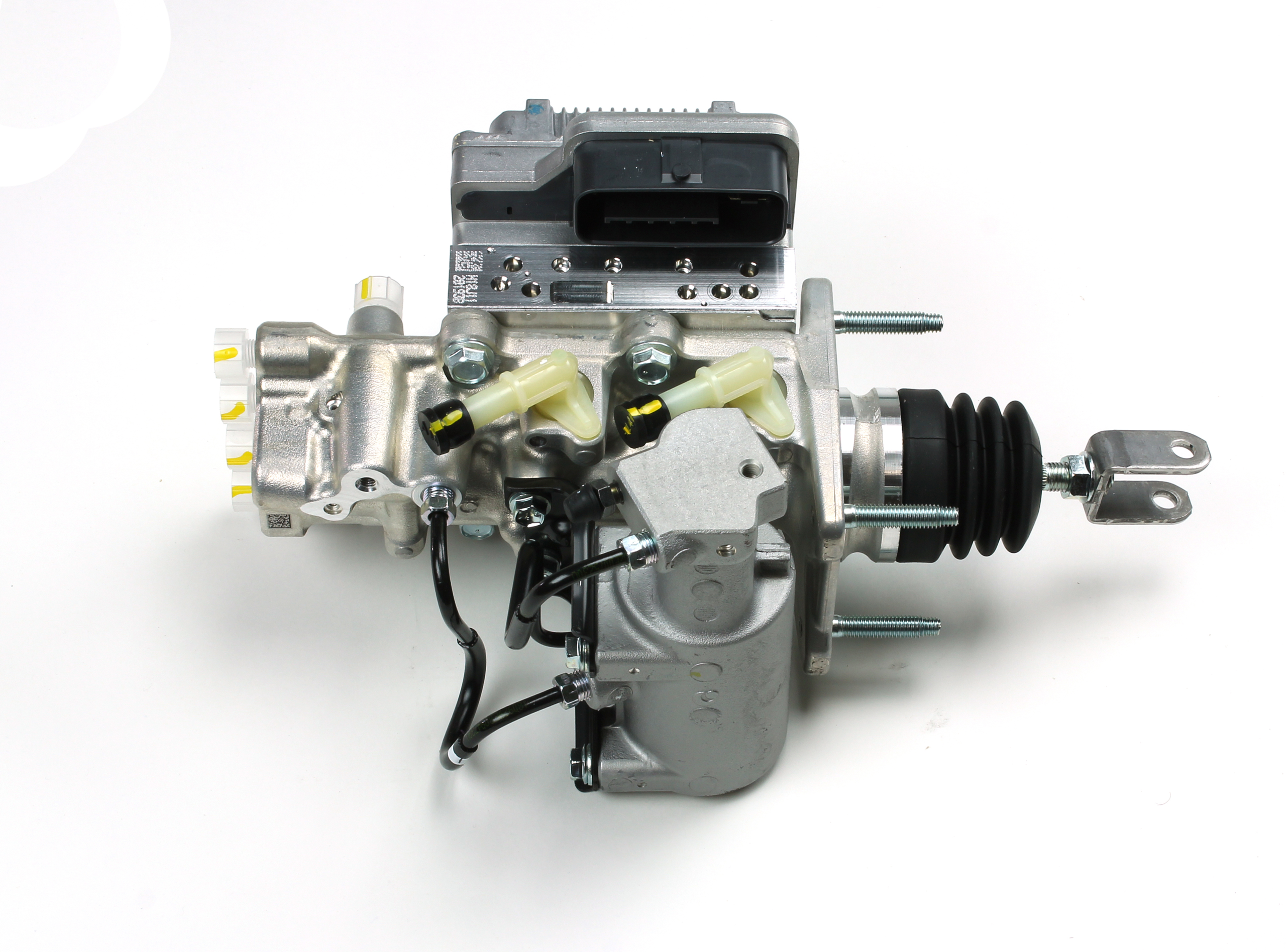
When your Prius shows the C1391 fault code, it means your brake actuator is leaking internal pressure from the accumulator. This isn’t a surface-level leak you can spot with the naked eye—it’s hidden inside the hydraulic system and compromises your ability to brake safely.

C1391 refers to an abnormal leak of accumulator pressure inside your hybrid braking system.

If you’re driving a 2005–2013 Prius or Prius V, this issue is not rare. It’s common—and dangerously misunderstood, especially by general mechanics unfamiliar with hybrid braking systems.

C1256 and C1391 Prius Codes: Why You Should Never Ignore Them

When your diagnostic tool shows both C1256 and C1391, it’s not a coincidence. It’s a red flag.

C1256 refers to accumulator low pressure.
C1391 refers to accumulator leak detected.

Together, these codes confirm that your Prius brake booster is no longer able to build or hold the required hydraulic pressure. Left unresolved, this situation can escalate into complete brake failure—with no warning.

How to Manually Confirm C1391 Without a Scanner

At Hybrid EV Engineering, we use advanced diagnostic tools to read live accumulator sensor voltage and monitor pressure loss. Specifically, we check if the accumulator pressure sensor holds a stable voltage between 3.75V and 3.2V for at least 20 minutes.

If it drops below that range within 30 seconds, it confirms internal leakage and validates the C1391 code.

However, if you don’t have access to a scanner or tools, there’s still a basic method to verify:

Open your engine hood and listen near the inverter. If you hear a repetitive sound like “Zoom… zoom…” from the brake booster area after shutting off the engine—and it occurs within 30 seconds—this typically means the ABS unit is failing and should be replaced.

Common Causes of C1391 Prius Faults by Model Year (2005–2013)

In 2005–2009 Prius models, failure often results from internal seal degradation, cracked accumulator chambers, and excessive cycling triggered by faulty sensors.

In 2010–2013 Prius and Prius V, the ABS actuator itself tends to develop pressure leaks after 100,000 km, largely due to manufacturer-side design weaknesses. Toyota issued service bulletins in some countries, but not in Pakistan—making proactive detection even more critical here.

Symptoms of a Failing Prius Brake Actuator

Before your dashboard flashes any codes, your car often gives you signals. If your ABS and brake lights come on together, the brake pedal feels soft or stiff, or you hear a high-pitched motor sound even when the engine is off, your actuator is likely starting to fail.

You may also feel intermittent brake assist loss or hear warning beeps during braking. These symptoms should never be ignored.

How We Fix the C1391 Prius Brake Problem at Hybrid EV Engineering

At Hybrid EV Engineering, we follow a step-by-step protocol to fix this issue with precision and reliability.

We begin by connecting hybrid-specific software tools to check real-time pressure values and monitor related DTC codes such as C1256, C1345, and C1377.

We then measure the accumulator sensor voltage. If it fails to hold pressure for 20 minutes between 3.75V and 3.2V, we replace the entire ABS actuator with a genuine, Toyota-approved unit.

Our process also includes reprogramming the ABS ECU, bleeding the hydraulic system, and running real-world road tests to validate full braking performance.

This is not a surface-level repair. It’s a complete, professional restoration of your brake system’s integrity.

A Word About Brake Fluid and Heat: Pakistan-Specific ABS Failure

One major cause of C1391 in Pakistan is often overlooked: brake fluid condition in hot climates.

We frequently see cases where DOT 3 brake fluid, combined with extreme summer heat, leads to internal ABS corrosion. Over time, this contributes to accumulator failure and triggers the C1391 code.

To reduce this risk, we recommend replacing your brake fluid every 40,000 km or at least every two years.

However, this must only be done after checking accumulator sensor values first. If pressure is already weak, bleeding old fluid could lead to further leakage or actuator failure.

That’s why choosing the right technician—with pressure monitoring expertise—is essential. Avoid letting general mechanics perform brake fluid changes on hybrid systems. Always choose professionals with hybrid-specific knowledge.

Why Most Local Workshops Can’t Solve C1391 Correctly

Many mechanics simply clear the warning light or replace sensors without solving the underlying issue. Others misread it as a low battery or wiring glitch.

But C1391 is not a surface fault. It’s an internal hydraulic leak—hidden, dangerous, and only fixable through expert hands.

At Hybrid EV Engineering, we don’t guess. We scan, confirm, and restore your ABS system completely.

Why Prius Owners Across Pakistan Trust Hybrid EV Engineering

We’ve successfully repaired hundreds of Prius ABS actuators across all model years. We use Toyota-grade parts, hybrid-specific reprogramming tools, and a proven process that restores full system integrity.

Each vehicle is tested twice before it’s returned—and every customer leaves knowing their brakes are as reliable as the day the car left the factory.

When you choose Hybrid EV Engineering, you’re not just getting a repair. You’re reclaiming confidence, safety, and peace of mind.

Book Your C1391 Prius Brake Repair Now

Every time you press the brake pedal, you trust your car with your life. Don’t let an internal leak turn that trust into risk.

Schedule your C1391 diagnostic today. Let our hybrid-certified experts give your Prius the detailed care it deserves.

Request your C1391 Prius diagnostic now.
Book your ABS actuator replacement today.
Drive safe. Drive smart. Drive with confidence.

Final Thoughts

At Hybrid EV Engineering, we’ve seen firsthand how a single ignored fault code can turn into a full brake failure. That’s why this blog isn’t just educational—it’s preventative.

Now that you understand what C1391 really means, you’re empowered to make the right decision.

This isn’t just a code. It’s a warning.
Let’s fix it before it becomes something worse.

Tags
Share this post:
Scroll to Top